
Jute Bags: The Eco-Friendly Choice for a Sustainable Future
Introduction
In today’s world, where environmental concerns are at the forefront, jute bags have gained immense popularity as a sustainable alternative to plastic and synthetic bags. Known as the “golden fiber”, jute is a natural, biodegradable, and renewable resource that has been used for centuries. With increasing awareness about reducing plastic waste, jute bags have become a symbol of eco-conscious living and sustainable fashion.
What Are Jute Bags?
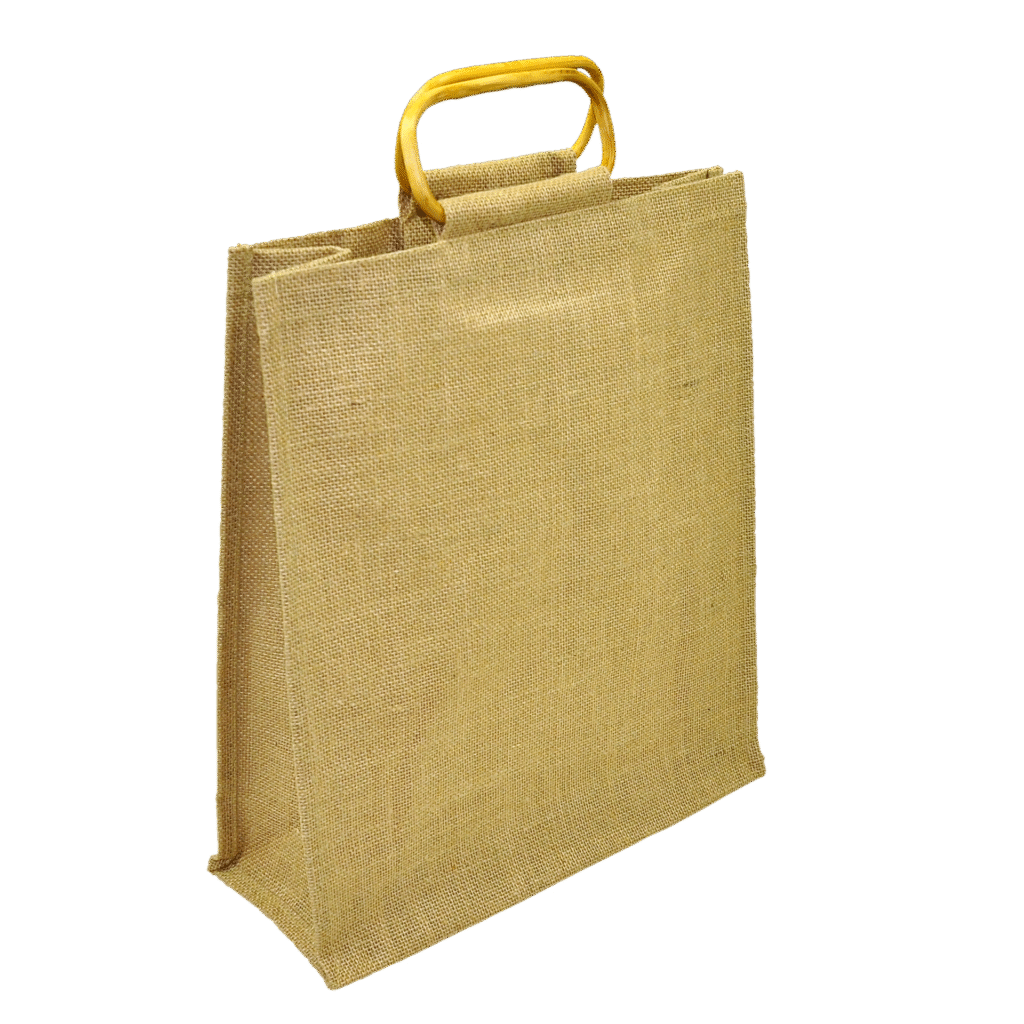
Jute bags are carry bags made from the natural fiber extracted from the jute plant’s stem. The fiber is strong, durable, and versatile, making it perfect for manufacturing bags of different shapes, sizes, and designs.
Some key features of jute bags include:
- 100% biodegradable and compostable
- High tensile strength and durability
- Reusable and long-lasting
- Affordable and widely available
 tittle
Why Jute Bags Are Better Than Plastic Bags
Plastic pollution is one of the biggest threats to our environment. Single-use plastic bags take hundreds of years to decompose, harming soil, marine life, and even entering the human food chain. Jute bags, on the other hand, are:
- Eco-Friendly: They decompose naturally without harming the environment.
- Reusable: Unlike flimsy plastic bags, jute bags can be used multiple times.
- Strong & Durable: Perfect for carrying groceries, books, and daily essentials.
- Cost-Effective in the Long Run: Although slightly more expensive than plastic, they last much longer.
- Stylish: With modern designs and prints, jute bags have become a fashion statement.
Types of Jute Bags
Jute bags come in a variety of designs to suit different purposes:
- Shopping Bags: Widely used in supermarkets and local markets.
- Tote Bags: Trendy, casual, and perfect for daily use.
- Gift Bags: A sustainable option for parties, weddings, or corporate gifting.
- Wine Bottle Bags: Elegant and eco-friendly packaging for beverages.
- Promotional Bags: Businesses use them for branding since they can be customized with logos.
Benefits of Using Jute Bags
1. Environmental Benefits
- Reduces dependence on plastic
- Promotes afforestation as jute cultivation enriches soil fertility
- Requires less energy and water to produce compared to cotton bags
2. Economic Benefits
- Creates employment opportunities for rural communities in jute-growing regions
- Boosts exports as jute products are in high demand globally
3. Social Benefits
- Encourages responsible consumer behavior
- Promotes eco-conscious lifestyles among individuals and organizations
The Growing Demand for Jute Bags
Governments worldwide are banning or restricting plastic bags, leading to a surge in demand for eco-friendly alternatives. India, Bangladesh, and other jute-producing countries are seeing an increase in both domestic use and export of jute bags.
Big retail brands, corporate companies, and even fashion designers are embracing jute bags to align with sustainability goals.
How to Care for Jute Bags
To extend the life of your jute bag:
- Avoid overloading it with very heavy items.
- Keep it dry; if it gets wet, allow it to air dry completely.
- Clean with a damp cloth instead of machine washing.
- Store in a cool, dry place to prevent mold.
Jute Bags in Fashion & Lifestyle
Beyond utility, jute bags have become a style statement. Designers combine jute with fabrics, prints, embroidery, and colors to make them trendy. From college students to working professionals, jute bags are now seen as a chic yet responsible choice.
Conclusion
Jute bags are more than just carry bags—they are a step toward a cleaner, greener, and more sustainable future. With their eco-friendly nature, durability, and style, they are the perfect replacement for harmful plastic bags. By adopting jute bags in our daily lives, we contribute to reducing pollution, supporting rural artisans, and promoting an eco-conscious lifestyle.
So next time you step out shopping, make sure to carry a jute bag—because small choices lead to big changes.